
Bryan Walker
EXPERIENCE & DESIGN TECHNOLOGY LEADER
Austin, Texas

About Me
I am a lifetime learner, hard stop. Gardening, cooking, skateboarding, martial arts, game dev, reading… it’s hard to find something that I don’t love or can’t find an interest in.
My passion for creating great and accessible experiences continues to grow after two and a half decades of work in engineering, design, product, and leadership. Finding the best way to improve processes while getting meaningful results while keeping humans at the center (users AND colleagues) drives my desire for continual professional contribution.
selected Recognition
Featured 3D technical artist for the award-winning 3dsmax renderer, Brazil r/s for Cube (2001)
Winner of 2007 CTIA Show Award for the Alltel Celltop UI
Reaction, Inc. EXO emergency shelter design viz (2008)
Initial spec of the Intuit Harmony Design System (2013)
Competencies
Design
UI Design, Interaction Design, UX Design
The whole is a sum of many individual, considered parts. When talking about an experience, the design goes way beyond UI controls. The controls, the states they display, and the goal(s) of the user must all be aligned and consistent for the best outcome.
Leadership
Design Critique, Mentoring
Maturing a design practice benefits those who participate and the organization that the practice serves. Regular opportunities to present work — at all stages of completion — allows for valuable feedback in a safe environment. Participants gain confidence and can more easily defend their ideas.
Process
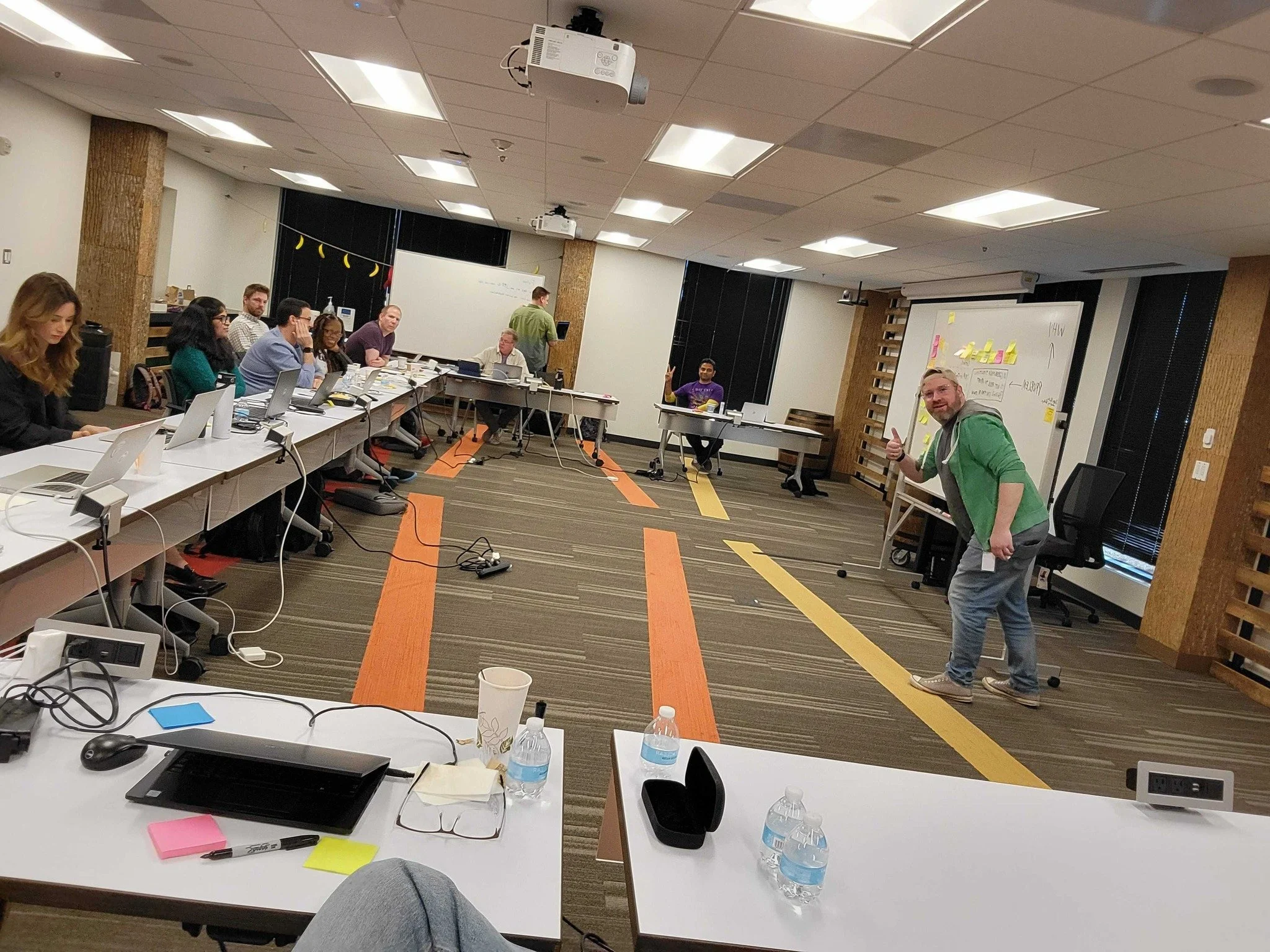
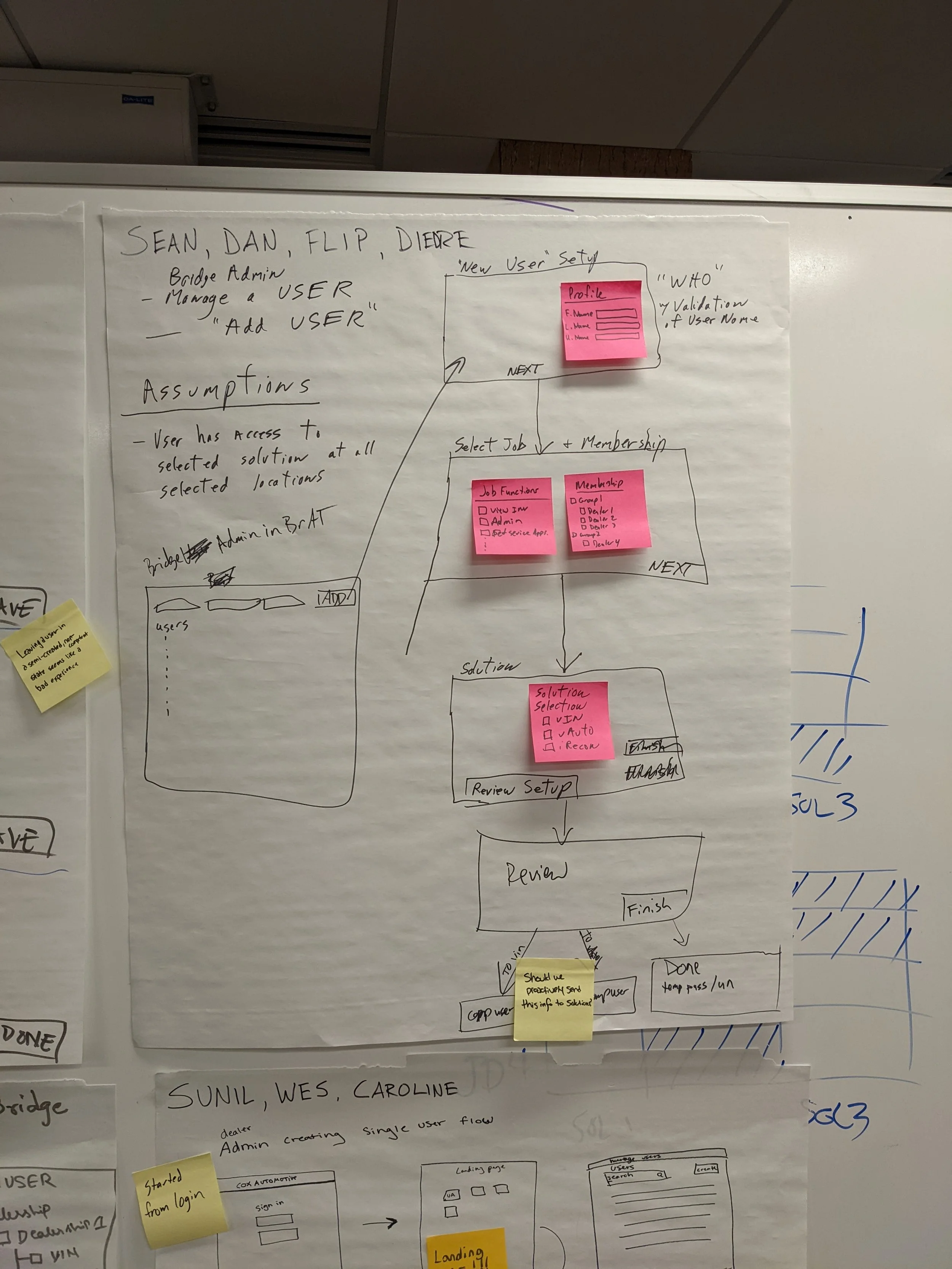
Design Standards, Team Sign-off, User Mapping & Exploration
A defined process is important for transparency and consistency — but it should also be malleable to the team and the organization. Tools and AI can be massively helpful in expanding the output of a team, and that can lead to more impactful outcomes.
Research
Ethnographic, Cross-Functional Support, Analytics
To effectively design for anything or anyone we must have an understanding what users and systems do. Research can be done on any budget and will always anchor designers to the user, and the business to shifts in behavior.
Strategy
Assumption Matrix, Business Alignment, Prioritization
I believe successful design of a product involves understanding and/or having a close partner in the business with which to negotiate and align. Documenting and owning assumptions shows where research may be needed, while prioritization from the business helps designers visualize an iterative approach.

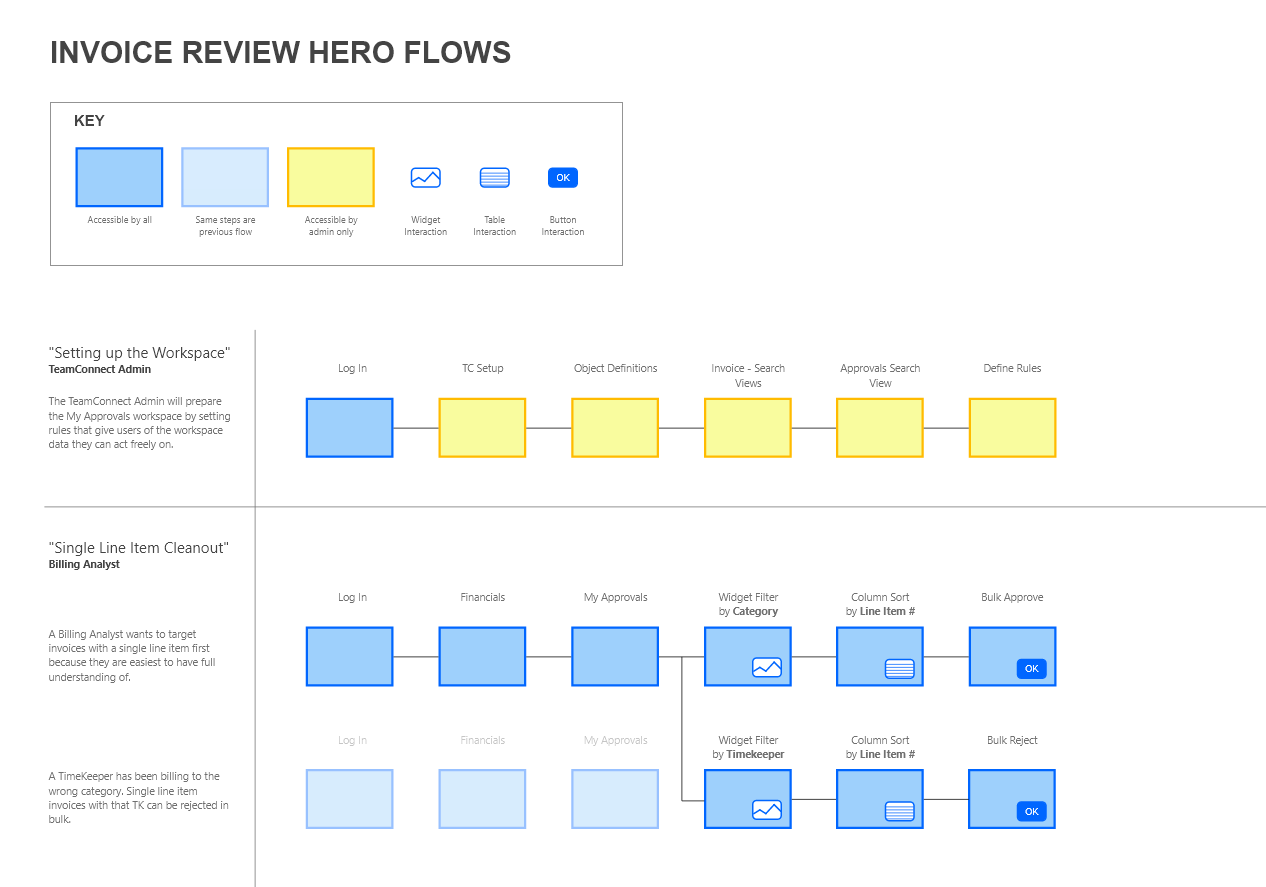
PLACEHOLDER - AI-assisted User Flows
Enterprise Design Strategy
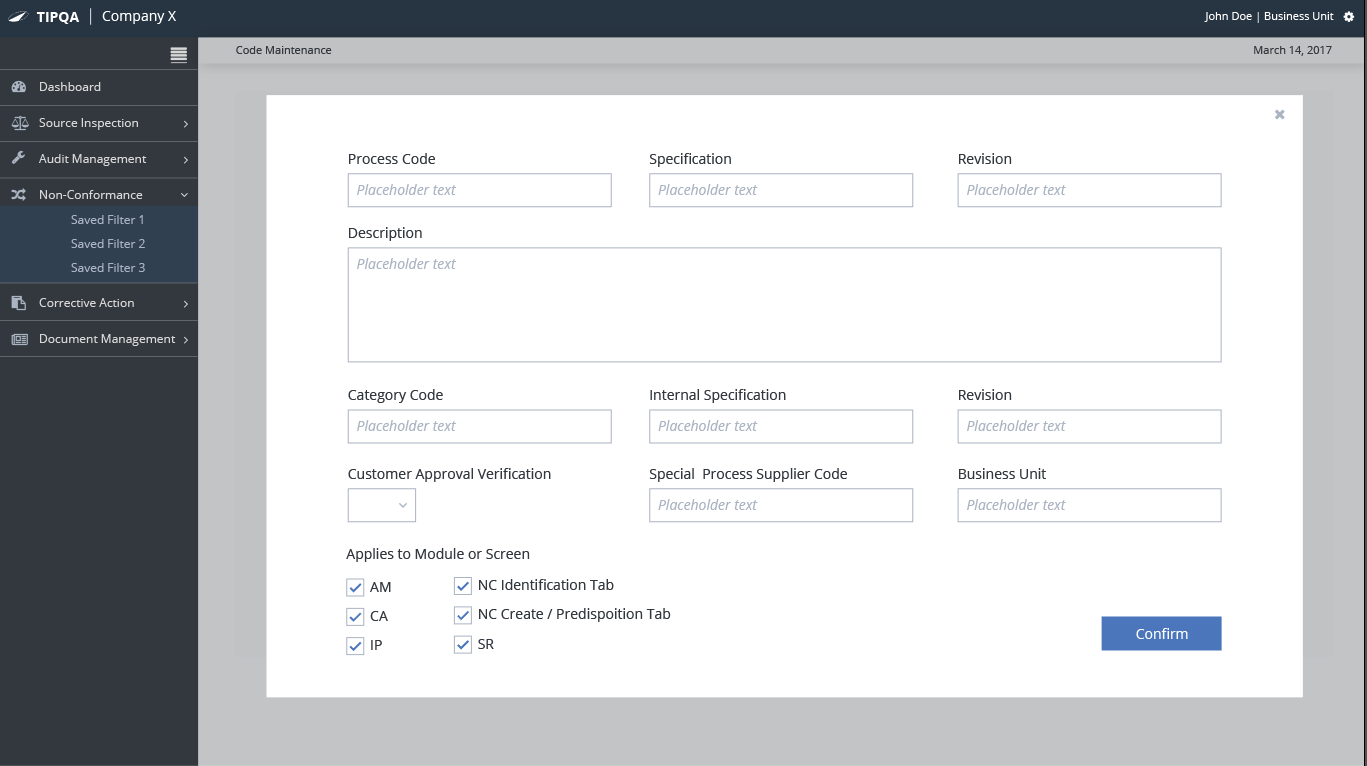
Quality Control
Inventory & quality management
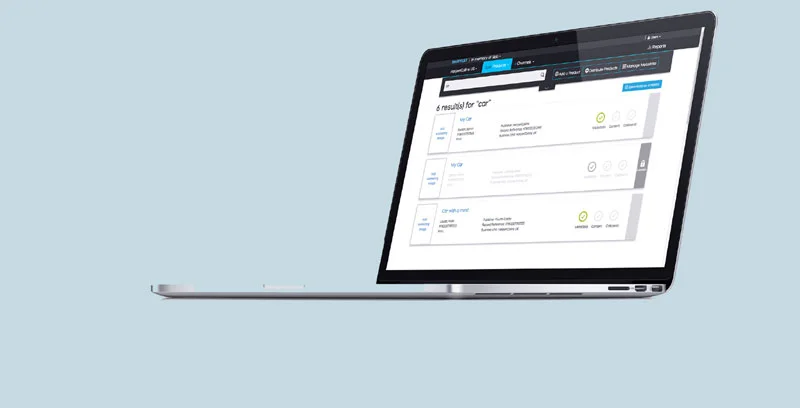
Harvest
Digital Book Distribution Platform

Calma
Mobile app concept
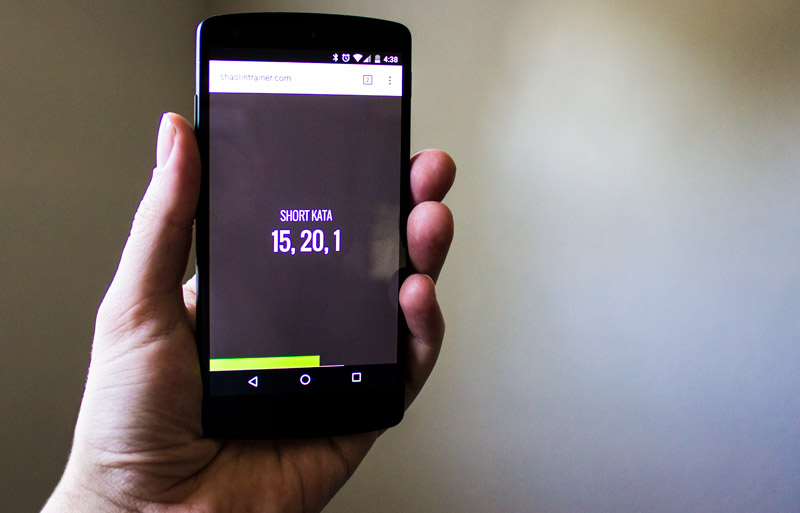
Shaolin-Do Trainer
A responsive training app